Paper vs Plastic Packaging: How to Choose the Right Material for Dry Applications

Packaging decisions often begin with a familiar question: which material is the better choice?
But the answer depends on what the package needs to do. A wrap used to keep dry components together has different requirements from a package designed to contain liquids, protect goods outdoors or create a sealed barrier. Starting with a broad material preference can obscure the practical details that determine whether a package works.
A more useful paper vs plastic packaging discussion begins with the application, the handling environment and the requirements of the finished pack.
Before comparing materials, define the purpose of the package.
Is it intended to wrap a dry product, separate components, protect a surface during handling, carry printed information or hold goods together for transport? Does it need to resist moisture, contain fine particles, stretch around an irregular shape or remain sealed throughout distribution?
These questions establish the performance requirements. Only then can the material be assessed against them.
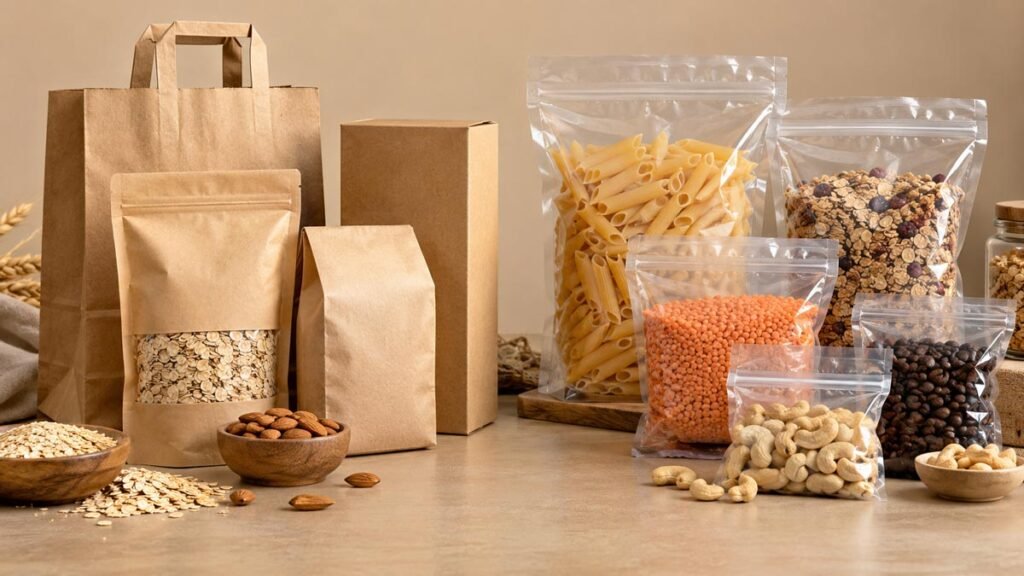
For dry secondary packaging, paper may be a suitable choice where the job involves wrapping, folding, separation or printed identification. Other applications may need properties that paper alone does not provide. There is no single material that fits every packaging task.
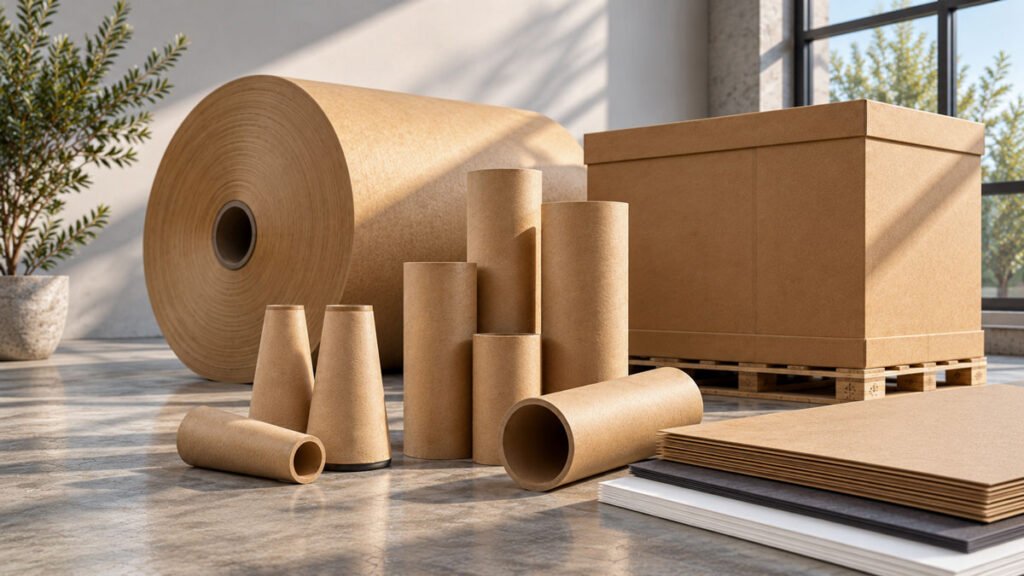
Paper is used in many packaging applications because it can be converted into different formats to suit the job. Depending on the grade and converting process, it may be printed, folded, cut, wrapped or incorporated into a larger packaging structure.
For dry goods and secondary packaging, these characteristics can make paper worth considering for:
The grade matters. A paper selected for printing may not be the right choice for a demanding industrial wrap. Strength, stiffness, surface, basis weight and converting requirements should be considered in relation to the application rather than treated as interchangeable properties.
Some packaging applications call for properties that depend on the specific plastic material or a more complex packaging structure. Moisture exposure, liquid containment, sealing requirements, unusual shapes and demanding distribution conditions can change the decision.
This is why material selection should not be reduced to a simple claim that one option is always better. If the package needs a barrier or containment function, the buyer must confirm how that requirement will be met. Paper may be unsuitable on its own for certain conditions, while a plastic or multi-material solution may be appropriate.
The important step is to identify the requirement before choosing the material.
The size, weight, shape and surface of the product influence how it should be wrapped or contained. A neat, dry bundle is a different challenge from a product with sharp edges, loose particles or a shape that needs a close-fitting pack.
Consider moisture, storage conditions, transport, stacking and handling. A package that performs well in a clean indoor environment may need a different specification for a more demanding supply chain.
If product information, branding, identification or handling instructions need to be visible, the print surface and the intended printing process become part of the material decision. Confirm print requirements against the actual grade and process.
Folding, cutting, wrapping and forming place different demands on packaging material. A sample should be checked in the intended process wherever practical, rather than judged only by appearance or a specification sheet.
A material should be assessed as part of the finished pack. The right choice depends on the combination of protection, handling, presentation, production and distribution requirements.
A useful paper vs plastic packaging comparison is specific, not absolute. For buyers weighing paper vs plastic packaging, the most useful comparison is the one grounded in the package’s real operating conditions.
Paper may be a strong candidate where the application is dry and the package relies on wrapping, folding, printability or separation. Moisture exposure and containment requirements may point toward another material or a more complex structure. Cost, converting capability and the product’s route through the supply chain also deserve consideration.
The point is not to make every package paper-based. It is to identify the applications where paper can do the job well and verify the grade and format before committing to production.
Once paper is a suitable option, the next decision is which grade and format to use. Different paper grades are made for different purposes. The needs of a printed sleeve may differ from those of a protective wrap or an industrial packaging component.
For manufacturers and converters, the specification should account for the actual application, required dimensions, printing or converting process, and the conditions the package will encounter. Samples and technical discussions can help confirm that the selected paper is appropriate.
The most useful paper vs plastic packaging decision is not a contest between two materials. It is a practical assessment of what the package needs to do.
For suitable dry secondary packaging, paper can offer a useful combination of printability, foldability and converting flexibility, depending on the grade and design. Where moisture, containment or other requirements change the job, those factors need to be addressed directly.
KR Papers supplies paper grades for a range of printing, packaging and industrial applications. The right starting point is a clear understanding of the product, the process and the finished package.
Choose the material for the job. Then choose the grade for the application.
KR Papers
At KR Papers, we craft premium, eco-friendly paper solutions that blend quality, innovation, and sustainability to meet diverse customer needs.
© 2026 KR Pulp and Papers Limited. All rights reserved.
WhatsApp us