Packaging Grades Explained: Why the Right Paper Defines Packaging Performance

The modern world is dominated by screens. Learning, communication, planning, and documentation increasingly rely on digital tools. Yet paper continues to hold a place that technology has not replaced. Its relevance is not rooted in habit or nostalgia, but in how people think, remember, and trust information.
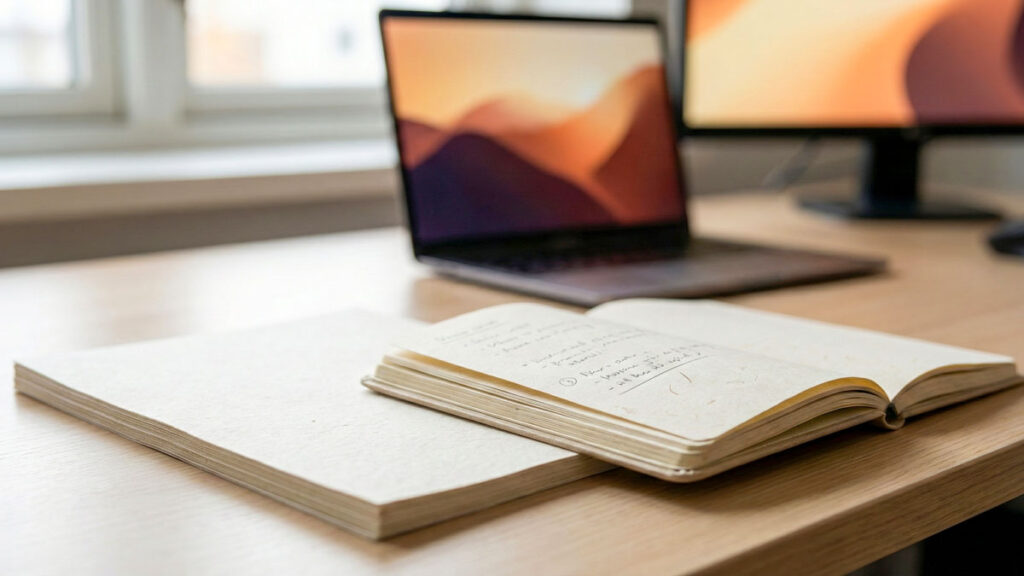
Paper remains a cognitive, emotional, and functional material. Its value lies in how it supports focus, permanence, and human connection in a screen-first world.
People process information differently when it is written or read on paper. Writing by hand supports clearer thinking, stronger recall, and deeper comprehension. Reading on paper encourages sustained attention and reduces cognitive overload caused by constant notifications and screen fatigue.
This is why paper continues to be central to classrooms, examination systems, and learning environments across the world. Screens offer speed and convenience, but paper offers clarity. It gives the mind space to engage without interruption.
For writing paper manufacturers, understanding this human interaction with paper is essential. Paper is not just a surface. It is a medium that shapes how ideas are absorbed, retained, and expressed.
Paper carries a sense of permanence that digital formats often struggle to match. Documents printed on paper feel deliberate and credible. Contracts, certificates, academic records, and official communication still rely on paper because it signals authenticity and intent.
Digital information is fluid. It can be edited, duplicated, or lost among endless files. Paper exists in a physical form that communicates finality and trust. This is why institutions, businesses, and governments continue to depend on paper for records that matter.
As a renewable paper manufacturer, KR Papers recognises this responsibility. Manufacturing paper that supports long-term record keeping, readability, and durability requires careful attention to fibre quality, formation, and consistency. Paper that carries trust must be made with discipline and intent.
Beyond function, paper carries emotional significance. Handwritten notes, books, journals, and printed memories hold meaning that digital formats often lack. Paper reflects effort and intention. It slows communication down in a way that feels personal and thoughtful.
Creative processes often begin on paper. Designers sketch, writers draft, and planners map ideas by hand before moving to digital platforms. This is not accidental. Paper allows freedom without distraction and encourages exploration without pressure.
This emotional connection is one reason paper continues to endure across cultures and generations.
The conversation is often framed as paper versus digital. In reality, both coexist. Digital tools handle speed and scale, while paper supports thinking, learning, trust, and structure.
This balance is visible across industries. Education relies on printed material alongside digital platforms. Businesses operate digitally but document physically. Packaging protects products in a world driven by online commerce.
Paper manufacturers in India play an important role in supporting this coexistence. By producing renewable, agro-based paper that aligns with modern applications, companies like KR Papers help paper remain relevant without compromising responsibility.
Paper survives because it adapts to human needs. It supports learning, strengthens memory, builds trust, and preserves meaning. These roles are not replaced by technology. They are complemented by it.
KR Papers approaches paper not as a legacy material, but as a renewable one that continues to evolve. By focusing on agro-based fibres and responsible manufacturing, the company aligns tradition with progress.
In a world shaped by screens, paper remains essential because it works with how humans think, learn, and remember. That relevance continues to grow.
At KR Papers, we craft premium, eco-friendly paper solutions that blend quality, innovation, and sustainability to meet diverse customer needs.

© 2026 KR Pulp and Papers Limited. All rights reserved.
WhatsApp us